Address: 3707 Austin Ave, Brownwood, TX 76801 | Phone: (325) 643-2648

Monday - Friday: 9:00am - 5:30pm | Saturday: Closed | Sunday: Closed
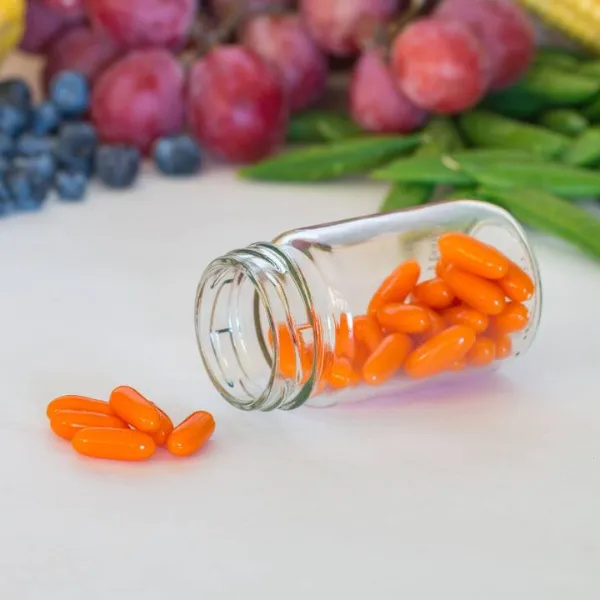
Nutritional Supplements
Elderberries have long been used both as food and medicine, particularly in dried form, and are commonly prepared as wine, pie, or lemonade. Traditionally, the leaves were believed to relieve pain and promote healing when applied as a poultice, while Native Americans used the plant to treat infections, coughs, and skin conditions. In folk medicine, the flowers were valued for their diuretic, laxative, and astringent properties, and various parts of the plant were used to address cancer and other disorders. The plant’s therapeutic effects are largely attributed to flavonoids such as quercetin, and laboratory studies have shown that leaf extracts combined with St. John’s Wort and soapwort may inhibit influenzavirus and herpes simplex virus, while human studies suggest elderberry extract can effectively treat influenza. Recommended dosages include 5 ml of liquid extract twice daily for children and 10 ml for adults, or tea prepared from 3–5 grams of dried flowers steeped in boiling water and consumed up to three times per day. Although elderberries are generally safe, particularly when cooked, there has been at least one reported case of severe illness linked to juice made from fresh berries, with symptoms including nausea, vomiting, weakness, dizziness, numbness, and stupor—possibly related to cyanide toxicity—so leaves and stems should not be crushed during preparation, and uncooked berries may cause nausea.
Prescription Dispensing
Drugstore2Door

© Copyright 2026 Drugstore2Door. All Rights Reserved.
Photographs and Pharmacy Logo Courtesy of Live Oak Pharmacy.